
Boulder Basement Flooding
A stuck sump pump float switch can flood a finished basement with standing water, requiring rapid structural extraction to salvage flooring. In trade discussions, professionals emphasize that basement flooding triggered by Colorado snowmelt and pipe failures demands immediate water extraction before elevated indoor humidity prompts rapid mold growth. Our dedicated crews arrive with industrial equipment to protect your home.
Phone (303) 555-0131 and our Boulder crew will inspect. We'll ask what you've noticed and how long it's been there.
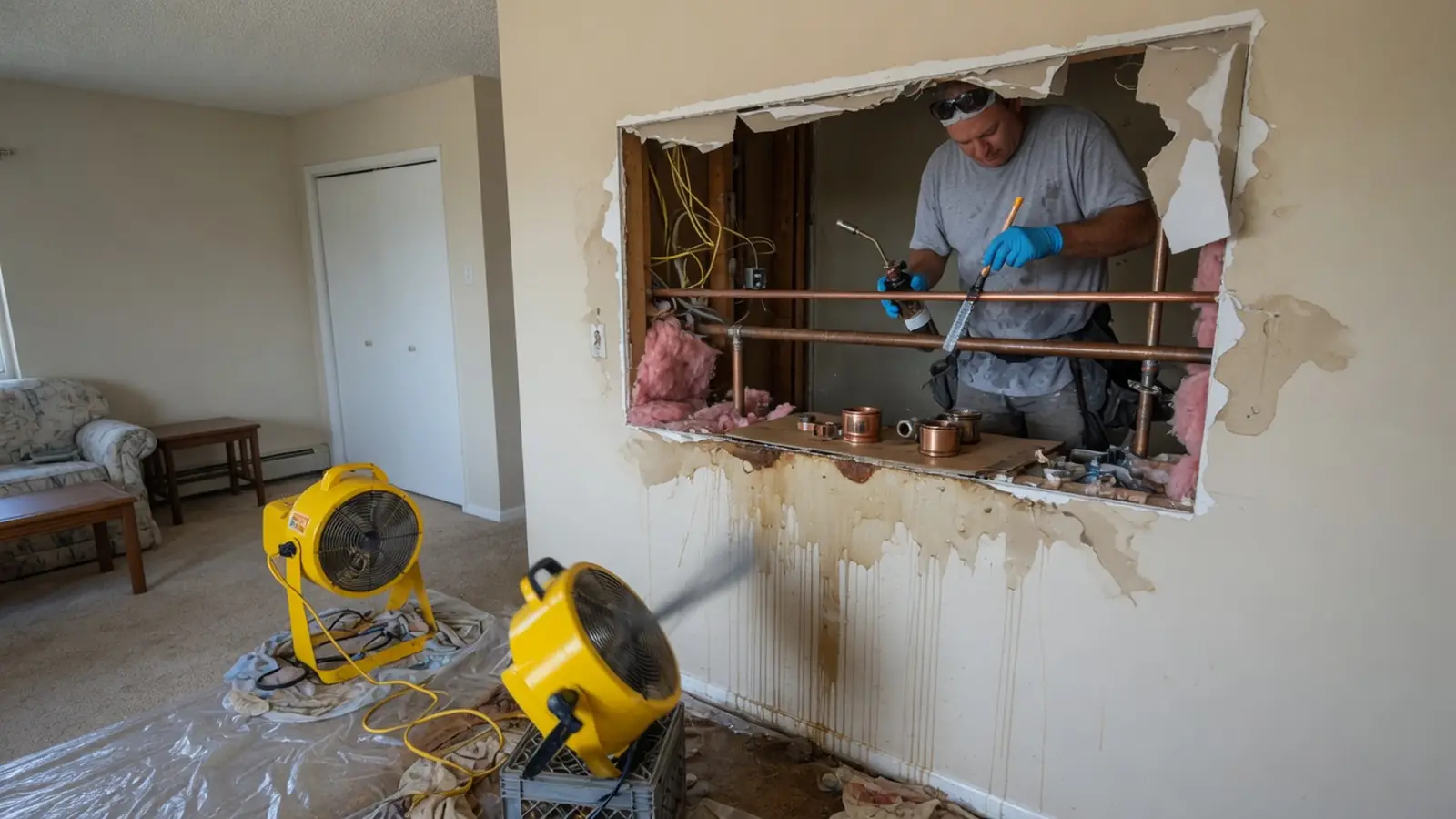
Precision Water Removal And Structural Drying
Heavy precipitation rapidly raises local groundwater levels, creating hydrostatic pressure that forces water up through concrete slabs and foundation joints.
Steep foothill runoff and rapid spring snowmelt elevate local groundwater tables, forcing subsurface hydrostatic pressure against basement foundations in neighborhoods like Mapleton Hill and Chautauqua.
As homeowners often describe in public forums, rising water tables during heavy storms seep through basement foundation seams, prompting the need for interior drainage systems and sump pumps.
About 18% of housing units in the area (8,504 of 46,551) were built before 1960, the era of galvanized steel supply lines and cast iron drains.
When below-grade flooding threatens your subfloor and drywall, you can explore our complete basement water mitigation and restoration services to stabilize the structure quickly.
Our technicians map every pocket of hidden moisture behind baseboards and under finished floors using non-invasive thermal imaging and calibrated resistance meters.
How We Remediate Flooded Basements
We follow rigorous structural drying standards to mitigate groundwater intrusion and assist homeowners in preventing seasonal burst pipe emergencies during freezing temperatures.
- Immediate Containment & Safety Inspection. Technicians inspect the flooded area for electrical hazards, isolate standing water, and assess foundation seam infiltration.
- Deep Water Extraction. Crews deploy weighted submersible pumps and deep-extraction rover units before structural drying to pull standing water from saturated concrete slab pores.
- Moisture Mapping & Antimicrobial Sanitization. We track subsurface dampness across perimeter sills with pin meters and apply botanical antimicrobial treatments to deter microbial reproduction.
- Structural Evaporation & Daily Logging. Typical structural water mitigation requires an average 3 to 5 day drying cycle supported by daily tracking logs to substantiate final billing and ensure full humidity stabilization.
Transparent Standards And Calibrated Drying
A common pattern echoed in public discussions is that property owners struggle to identify transparent remediation protocols and avoid inflated quotes driven by high-pressure tactics. We eliminate guesswork by adhering to scientific psychrometric drying principles, documenting daily moisture curves, and utilizing certified containment and mold removal protocols so you only pay for verified work.
Groundwater Hydrostatic Pressure Relief
Steep foothill runoff and rapid spring snowmelt elevate local groundwater tables, forcing subsurface hydrostatic pressure against basement foundations. Our perimeter containment and extraction barriers relieve stress on below-grade structural elements.
Sump Pump Overflow Mitigation
Extended spring snowmelt causes basement sump pumps to cycle continuously for weeks, risking mechanical burnout and sudden flooding. We extract excess reservoir surges, clear discharge lines, and inspect mechanical switches.
Structural Cavity Drying
We inject heated, dry air into wet wall cavities and under floor assemblies to pull bound moisture from framing. Controlled dehumidification protects structural stability without unnecessary demolition.
Dedicated Below-Grade Flood Remediation
Our team approaches below-grade water intrusion with methodical diagnostics, commercial extraction gear, and verified moisture verification. Every project is handled with direct communication and respect for your property.
- 15Zip Codes Served
- 4Service Areas
- 3Services Offered
Read what local property owners share about their experiences working with our structural drying and water extraction crews.
“Four months after our finished basement took on water during spring runoff, the subfloor remains completely dry and odor-free. The team set up containment barriers immediately and monitored the slab moisture until readings returned to normal. We have not seen a single trace of warping or mildew since they wrapped up.”
Marcus G.
“Having an elderly parent living downstairs meant we could not tolerate trailing cables across the hallways or loud drying equipment running all night. The crew carefully routed all their ducting away from walking paths and checked in with us before adjusting machine placements. Their consideration made a chaotic situation manageable for my family.”
Elena R.
“Another contractor offered a cut-rate quote that only involved surface extraction and leaving small fans running for two days. This company took the time to show me how water had wicked into the sill plates and explained why proper deep extraction was essential. Paying for thorough work saved us from having to replace our entire framed perimeter later.”
David P.
“When groundwater seepage compromised our electrical panel area, the crew immediately helped coordinate the necessary disconnects and verified moisture levels against local municipal safety standards. They kept thorough drying logs that our inspector approved without a single hesitation. Everything was resolved cleanly and by the book.”
Sarah K.
Frequently Asked Questions
Can waterlogged basement drywall and carpeting be salvaged with commercial dehumidifiers, or does groundwater require complete tear-out?
Groundwater intrusion requires complete tear-out of saturated carpet and drywall due to contaminants, whereas clean water may allow structural drying. Subsurface runoff carries dissolved minerals, silt, and outdoor bacteria that become trapped inside porous materials. While commercial dehumidifiers pull ambient vapor from structural framing, drywall and carpet padding that contact groundwater cannot be sanitized effectively and must be removed to prevent microbial growth.
How long does professional basement water extraction and drying usually take?
Structural water mitigation typically requires between 3 to 5 days of continuous dehumidification, monitored by daily moisture tracking logs. Technicians evaluate moisture curves every twenty-four hours using resistance meters and thermal imaging. Equipment remains active until dense subfloor materials and framing reach dry standards established by trade guidelines.
What factors determine the total cost of basement flood mitigation?
Costs depend on standing water depth, the contamination category, the affected square footage, and whether finished materials require tear-out. Pumping clean water from an unfinished concrete floor requires fewer hours than extracting water from finished drywall and insulated ceilings. Itemized estimates document extraction passes, equipment hours, and necessary anti-microbial applications.
Do basement water extraction projects require municipal building permits?
Emergency water extraction and drying do not require permits, but subsequent electrical repairs or structural rebuilds require trade permits. Immediate mitigation is focused on halting structural damage and eliminating moisture hazards. If drywall removal exposes modified wiring, plumbing lines, or structural posts that require replacement, licensed trades pull permits as required by local municipal codes.
Why do sump pumps commonly overflow during regional spring storms?
Continuous foothill snowmelt and intense rain saturate soil, causing pump float switches to stick or pump motors to overheat from non-stop cycling. When regional groundwater tables peak, sump systems operate without pause for weeks at a time. Mechanical fatigue, mechanical float hang-ups, or clogged exterior discharge lines can suddenly release hundreds of gallons into finished rooms.